
Practical policy decisions

When cancer predates pet insurance

Separate paying for current oncology care from evaluating future insurance. A new policy is rarely a solution for a cancer problem that is already present.

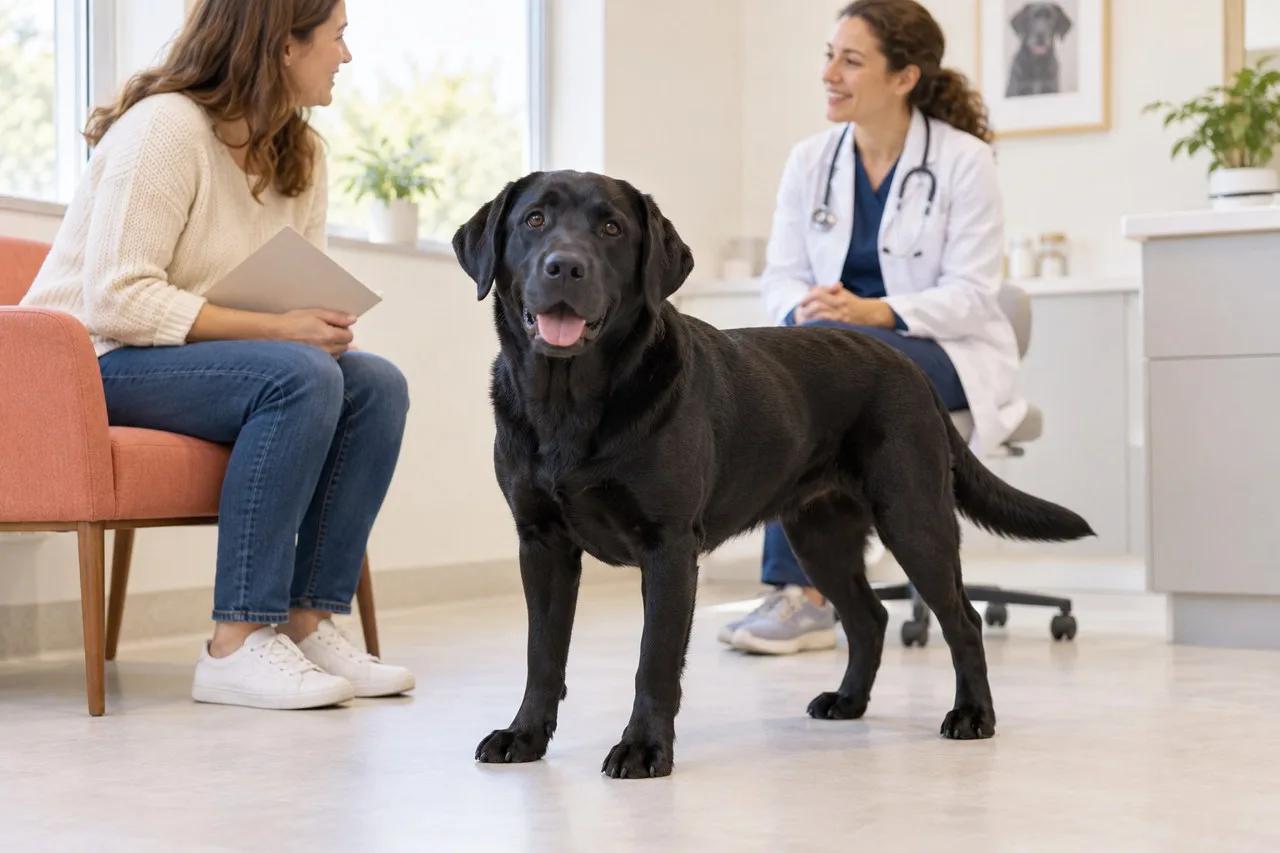
Owner discussing care with a veterinarian beside a black dog
✓ Policy-first ✓ Independent ✓ Useful checks
Direct answer
New pet insurance generally excludes cancer that was present, diagnosed or symptomatic before coverage or during applicable waiting periods. A later biopsy date does not necessarily make it new. Existing continuous coverage needs a different review: check that policy before replacing it. Do not delay cancer evaluation or treatment in the hope that buying insurance will change the timeline.
What to know

Build the cancer timeline from the first concern

Start with the earliest relevant observation, not only the pathology report. Gather the primary-care notes, referral, imaging reports, cytology or biopsy findings and the proposed treatment plan. If the insurer identifies a prior symptom as related to the cancer, ask for the exact record and policy wording behind that conclusion.

Cornell’s veterinary cancer resources distinguish diagnostic evaluation, characterization of a tumor and staging. These steps can occur on different dates. That clinical sequence explains why the final diagnosis date alone cannot settle an insurance question. The veterinarian can explain the medical relationship; the insurer applies the contract. Neither a late laboratory result nor a renamed diagnosis automatically resets the coverage history.

What to know

Already insured? Preserve the policy evidence first

If your pet had continuous coverage before the first signs, assemble the policy then in force, the relevant waiting-period dates and the claim history. Ask the existing insurer about the proposed oncology services and any preauthorization or estimate-review process it offers. A general statement that cancer is included does not settle each service, limit or cost-sharing question.

Do not cancel solely because treatment is expensive or a new premium looks lower. A replacement may treat the known cancer as pre-existing. Compare the protection you already have with the protection the new insurer will actually confirm. Keep communication factual: dates, services, clause and decision, rather than asking for an informal promise that everything will be paid.

What to know

Remission is not an automatic insurance exception

A period without symptoms can be medically meaningful without satisfying an insurer’s definition of a curable prior condition. That is a description of its insurance treatment; it should not be read as a medical claim that no cancer can ever be cured.

For another offered product, ask specifically about the cancer type, recurrence, related monitoring and any prior-condition exception. Request the actual wording and eligibility conditions. Do not assume a general “curable conditions” advertisement includes oncology, or that a symptom-free interval starts while the pet remains on treatment. Only the treating veterinarian should advise changes in care.

Coverage

Make an oncology estimate usable even without coverage

Ask the treating team to separate Why it helps the funding conversation
Diagnostic or staging work Distinguishes the next decision from the entire proposed course
Initial treatment and scheduled follow-ups Shows what is due now and what may recur
Monitoring and supportive medicines Makes ongoing costs visible
Possible changes in the plan Identifies uncertainty without inventing a worst-case total

Ask the practice which payments are due at each stage and whether it offers a written payment arrangement or knows of assistance programs. Verify eligibility and terms directly before relying on help. This is not a recommendation to borrow, a promise of assistance or a substitute for discussing medically appropriate options and quality of life with the oncology team.

Coverage

If the exclusion seems wrong, request a precise review

Ask the insurer to name the condition it considers pre-existing, cite the operative exclusion and identify the dated evidence. If the veterinary record contains an error or an ambiguous note, ask the practice for a transparent clarification. Keep the original and the clarification together; do not remove history or ask anyone to change accurate dates.

Submit the relevant records through the insurer’s appeal or review process within its stated deadline. The useful issue might be whether a prior finding was medically related, not whether the owner had heard the word cancer at that earlier visit. A clinical opinion may support your request, but it does not guarantee reversal. Your state insurance department can provide consumer guidance if the dispute remains unresolved.

Evidence

Sources and policy context

These public references support the consumer or veterinary context. Named insurer details were checked in official product materials; the policy offered for your pet and state determines the actual terms.

Next step

Compare Current Pet Insurance Rates

Check current options for your pet and location, then compare the policy details, exclusions, costs, and eligibility before choosing.

Compare the policy before you choose Check the actual offer, exclusions and out-of-pocket terms.
See Rate Options